
Across New England, the first warm days of spring tend to bring the same idea to mind for homeowners. The yard is finally visible again, and it is time to do something about it. The instinct is to start building, but the right move is usually the opposite. Spring is the season to plan a landscape project in New England, not break ground on one. The ground in April and May is still soft, saturated, and shifting from months of freeze-thaw cycles, which means most experienced contractors will not start major hardscape work until late May or June.
That window between the first warm days and the first real build day is exactly when landscape design planning belongs. Below, JRD Landscape Design walks through why spring is the right season for planning, what the design process actually involves, and how starting now leads to a finished outdoor space well before summer ends.
Why Spring in New England Is Ideal for Landscape Design Planning
Most experienced contractors in New England won’t start major hardscape work until late May or early June. That timing has nothing to do with the calendar and everything to do with what’s happening underground.
Months of freezing temperatures, snow load, and frost cycles leave the soil soft, saturated, and still shifting well into April. Even when an afternoon at the end of April feels like June, conditions under the surface tell a different story. Outdoor patios, retaining walls, walkways, and grading work all need a stable, compacted base to hold up over time. Starting a build too early creates problems that show up later, from soil settling and cracking to drainage issues that could have been avoided entirely.
That gap between the first warm spring days and a construction-ready job site is not wasted time. It is the spring landscape planning window every New England homeowner should use. Those who finalize layouts, lock in materials, and get on a contractor’s schedule during these weeks stay ahead of landscape construction in June, and finish before the building season runs out.
What Landscape Design Planning Actually Involves
Many outdoor projects skip the design phase entirely. A homeowner picks a patio size, a contractor shows up, and the build happens. The result rarely feels cohesive or supports how the household actually uses the space. That cohesion only comes from real design work done before construction starts.
Landscape design planning means understanding your property before making any construction decisions about it. A thorough planning process evaluates:
- How your yard sits relative to your home
- Where natural light lands at different times of day
- How drainage behaves after heavy rain
- The sight lines from the spaces you spend the most time in
- How different outdoor elements connect as one environment rather than as separate features
This is the foundation a project gets built on. Skip it, and even great craftsmanship has trouble producing a space that feels intentional.
With the design foundation in place, every decision after it gets easier. Material choices fall into place because the space already tells you what it needs. Layouts feel deliberate because they were mapped out, not decided on the fly. The finished outdoor space reads as one connected design rather than a few features installed near each other.
What Landscape Design Planning Reveals About Your Property
Seeing your property’s potential before any money goes toward materials or labor is one of the clearest advantages of spring planning. The time between now and a contractor-ready job site gives you space to think, refine the layout, and make design decisions that all downstream work depends on.
Connecting Outdoor Elements Into One Cohesive Space
An outdoor patio on its own is a surface. A patio that connects to a planting area, leads to a fire feature, and opens toward the kitchen is part of a complete outdoor space. The difference goes beyond the budget. It is intent, and intent comes from design.
When elements are designed to work together, the finished space feels larger and more purposeful than the sum of its parts. Textures complement each other, transitions between zones feel smoother, and lighting and plantings reinforce the overall layout rather than reading as last-minute additions. That cohesion does not happen during construction. It is the result of design work done before any building starts.
Making Every Part of Your Yard Usable
Most yards have at least one underused area, whether it’s a side strip that only collects leaves, a slope that has never been touched, or a back corner that gets ignored year after year. Landscape design planning reconsiders those spaces and folds them into the larger layout.
Active design decisions about every part of the property produce a stronger result than building what is obvious and leaving the rest. Spring is the right window for that broader look at what the property can become.
Balancing How a Space Looks and How It Works
A well-designed outdoor space looks good and works well for the people using it. Sun exposure, traffic flow, spacing, and sightlines can all be built into the plan before any decisions are finalized. The result is a space shaped around how you actually live in it. For homeowners, that means a patio positioned to catch afternoon shade, a walkway wide enough to use comfortably, and an outdoor layout that feels natural to move through.
A strong planning phase balances function and visual impact at the same time. That balance is what makes a finished outdoor space feel right to use day after day, not just look good in photos.
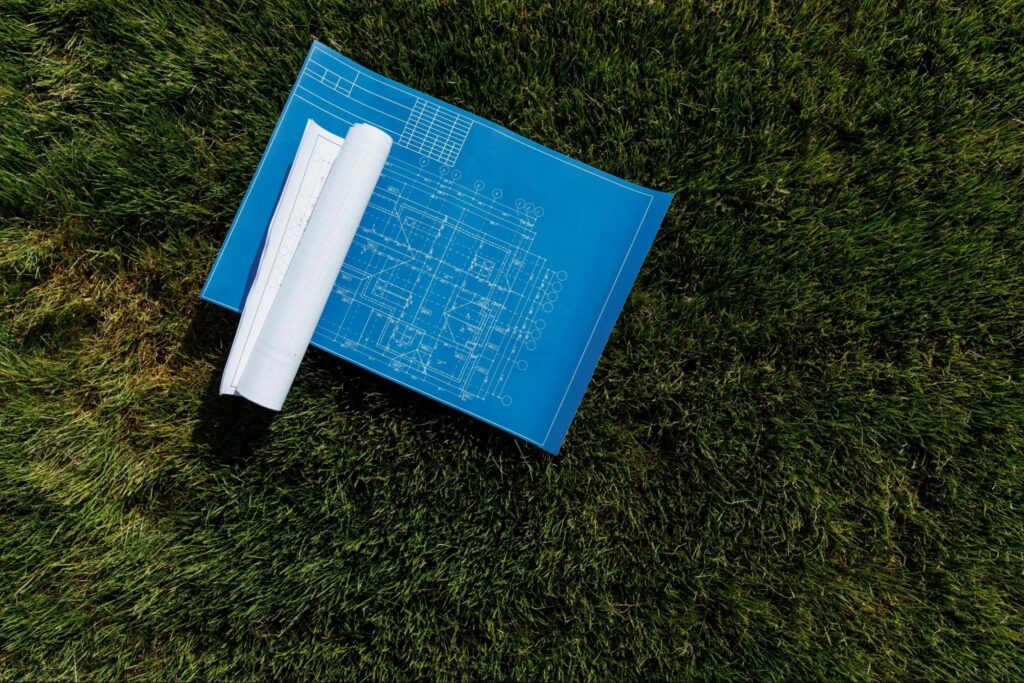
How Spring Planning Beats New England’s Summer Construction Rush
When to start a landscape project in New England comes down to scheduling math. Design takes weeks. Experienced contractors fill their schedules early. And popular hardscape materials get harder to source as the season runs on. Homeowners who wait until May to start the design conversation are often looking at builds that can’t begin until August or September, when the season is mostly over.
Homeowners who avoid that cycle start the design conversation in late March or early April. By the time the ground is ready for construction, their plans are finalized and they are already on a contractor’s calendar. Their landscape projects start in June, not at the end of it.
Spring planning isn’t about rushing ahead. It’s about understanding that the design process takes weeks, and the best contractors are booking ahead. Starting early is the most reliable way to land a June or July build slot instead of getting pushed into fall.
When Should You Start a Landscape Project in New England?
For most residential projects in New England, the right time to start a landscape project is late winter or early spring. A March or April design consultation gives enough time to move through the design phase, finalize selections, place material orders, and get on a contractor’s schedule before the peak season fills up. Construction typically begins in late May through June, depending on the property and the scope of work.
A general timeline for a spring-planned project in New England:
- Late February to March: Initial design consultation and site walk
- March to April: Design development, material selection, and quotes
- April to May: Final plans approved and contractor scheduling locked in
- Late May to June: Construction begins
- June through August: Build phase and finishing work
Larger or more complex projects, including outdoor living builds with land grading, multiple zones, or custom features, benefit from starting the design conversation even earlier. Reaching out in January or February gives extended-scope projects the design and lead time they need without compressing the build window.
FAQs About Starting a Landscape Project in New England
What does the landscape design planning process involve?
Landscape design planning starts with a site walk where a designer evaluates your property and discusses how you want to use the space. From there, the process moves through layout development, material selection, and final plan approval before any construction begins.
Do I need to have a design in mind before reaching out?
No. Many homeowners come to their first consultation with a general idea and a few reference images, while others arrive without a clear vision at all. The design process is built to develop those starting points into a complete plan, so the early thinking is on the designer, not you.
How long does the landscape design process take?
Most residential designs take three to six weeks from initial consultation to a finalized plan. Larger or more complex projects, especially those that involve land grading, multiple outdoor zones, or local permit processing in Massachusetts, can run closer to two months. The timeline also depends on how quickly the homeowner can review revisions and approve material selections, so staying responsive during the design phase keeps everything on track.
What does the landscape design planning process involve?
Landscape design planning starts with a site walk where a designer evaluates your property and discusses how you want to use the space. From there, the process moves through layout development, material selection, and final plan approval before any construction begins.
Do I need to have a design in mind before reaching out?
No. Many homeowners come to their first consultation with a general idea and a few reference images, while others arrive without a clear vision at all. The design process is built to develop those starting points into a complete plan, so the early thinking is on the designer, not you.
How long does the landscape design process take?
Most residential designs take three to six weeks from initial consultation to a finalized plan. Larger or more complex projects, especially those that involve land grading, multiple outdoor zones, or local permit processing in Massachusetts, can run closer to two months. The timeline also depends on how quickly the homeowner can review revisions and approve material selections, so staying responsive during the design phase keeps everything on track.
Start Your New England Landscape Project With a Plan
Spring is the natural starting point for thinking through your outdoor space. The few weeks before the ground is build-ready give you time to plan with purpose and make decisions without the pressure of an active construction site.
Landscape design planning at the front end strengthens every choice that follows. Material selection, scheduling, and the build itself all benefit from a clear plan locked in upfront. The finished outdoor space ends up reading as one intentional environment, shaped by how you actually want to live in it, rather than a collection of features installed at different times.
If you’re starting to think through a landscape project this year, JRD Landscape Design is here to walk through your property, your goals, and the right path forward. Get in touch to talk through what a design-first spring could look like for your home.